
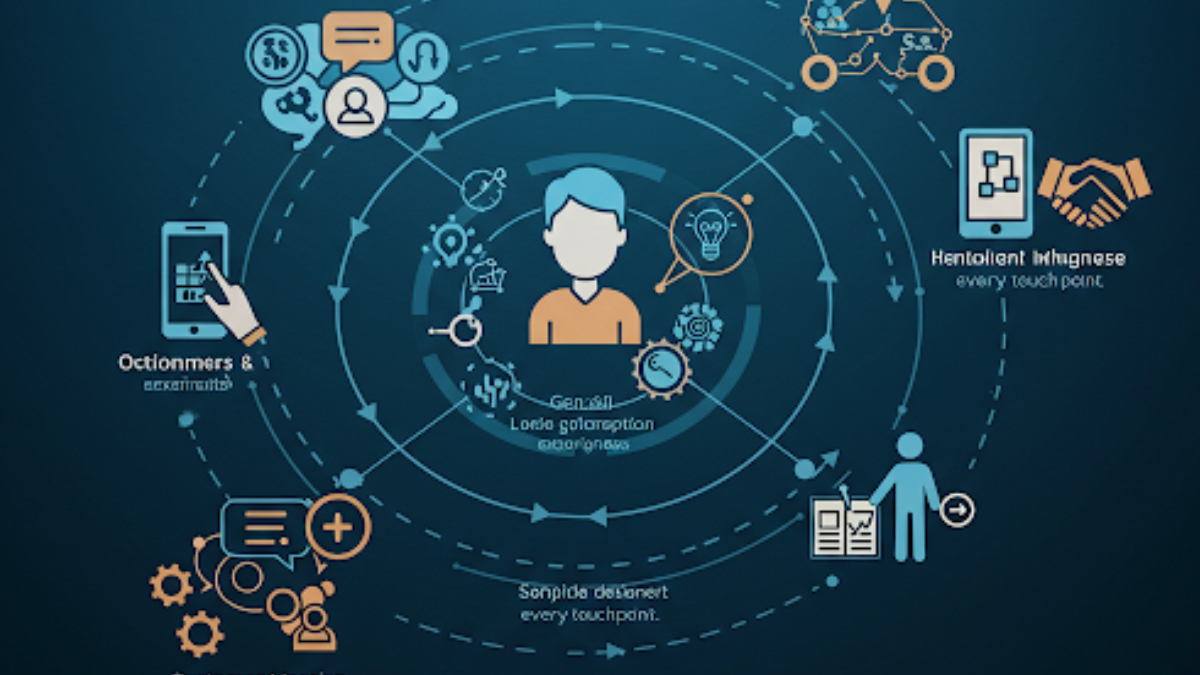
In today’s competitive business environment, converting leads into loyal customers requires more than just attracting prospects. Every interaction a customer has with a brand—from initial contact to post-purchase support—shapes their perception and loyalty. Optimizing every customer touchpoint ensures a seamless experience, builds trust, and drives long-term engagement. Businesses that focus on end-to-end customer experience gain a competitive edge by nurturing relationships and fostering advocacy.
Understanding Customer Touchpoints
Customer touchpoints are any interactions a customer has with a brand, including website visits, social media engagement, email communications, product trials, customer support, and in-store experiences. Each touchpoint influences the customer’s journey, either enhancing satisfaction or creating friction. Mapping and optimizing these interactions is essential to convert leads into loyal customers.
Key Stages from Leads to Loyalty
1. Lead Generation
The first stage involves attracting potential customers through marketing campaigns, social media, content marketing, and referrals. Providing relevant, valuable content and clear communication builds trust and encourages prospects to engage further.
2. Lead Nurturing
Once leads are captured, nurturing involves providing personalized content, follow-ups, and targeted offers. Email automation, CRM tools, and AI-powered recommendations help deliver timely and relevant messages that guide leads through the decision-making process.
3. Conversion
Conversion is the stage where a prospect becomes a paying customer. Optimizing this touchpoint requires a smooth purchase process, clear communication, multiple payment options, and excellent support. Removing friction at this stage increases the likelihood of successful transactions.
4. Onboarding
Effective onboarding ensures that new customers understand how to use products or services, experience value quickly, and feel confident in their purchase. Onboarding can include tutorials, guides, welcome emails, and proactive support.
5. Retention and Engagement
Retaining customers is more cost-effective than acquiring new ones. Engaging existing customers through loyalty programs, personalized offers, feedback surveys, and consistent communication builds long-term relationships and encourages repeat business.
6. Advocacy and Loyalty
Satisfied customers often become brand advocates, recommending products or services to others. Encouraging reviews, referrals, and social sharing helps amplify brand reach while strengthening loyalty.
Strategies to Optimize Customer Touchpoints
1. Map the Customer Journey
Identify all touchpoints across the customer lifecycle. Understanding where interactions occur helps businesses improve experiences, remove pain points, and ensure consistency.
2. Personalize Interactions
Use customer data to tailor communication, recommendations, and offers. Personalization increases relevance, engagement, and satisfaction at every touchpoint.
3. Leverage Technology
CRM systems, marketing automation, and analytics tools streamline communication, track customer behavior, and optimize interactions across channels. AI-powered solutions can provide predictive insights and proactive support.
4. Ensure Consistency Across Channels
Customers expect consistent experiences whether they interact via website, email, social media, or in-store. Maintaining uniform messaging and service quality strengthens trust and reliability.
5. Monitor Feedback and Metrics
Collecting feedback through surveys, reviews, and social listening helps identify issues and opportunities. Tracking key metrics like conversion rates, customer satisfaction scores, and repeat purchase behavior informs improvements.
6. Train Employees
Frontline staff play a critical role in customer interactions. Training employees to deliver excellent service, resolve issues promptly, and use technology effectively enhances the overall experience.
Benefits of Optimizing Customer Touchpoints
- Improved customer satisfaction and loyalty
- Higher conversion rates and increased revenue
- Enhanced brand reputation and advocacy
- Streamlined processes and reduced friction in customer interactions
- Data-driven insights to refine marketing, sales, and support strategies
Conclusion
From leads to loyalty, every customer touchpoint influences perception, engagement, and retention. By mapping the customer journey, personalizing interactions, leveraging technology, and monitoring feedback, businesses can create seamless, positive experiences at every stage. Optimizing touchpoints not only converts prospects into loyal customers but also fosters advocacy, drives growth, and strengthens long-term relationships. Companies that invest in enhancing every interaction are better positioned to thrive in a competitive marketplace and achieve sustainable success.
Frequently Asked Questions (FAQs)
1. What are customer touchpoints?
Customer touchpoints are all interactions a customer has with a brand, including marketing, sales, support, and post-purchase experiences.
2. Why is optimizing touchpoints important?
Optimizing touchpoints ensures seamless experiences, increases satisfaction, and drives conversions and loyalty.
3. How can technology improve customer interactions?
CRM systems, automation tools, and AI solutions streamline communication, personalize interactions, and provide data-driven insights.
4. What is the role of personalization in customer experience?
Personalization makes interactions relevant and engaging, increasing satisfaction and long-term loyalty.
5. How do loyal customers benefit a business?
Loyal customers generate repeat revenue, provide referrals, enhance brand reputation, and reduce marketing costs for acquisition.