
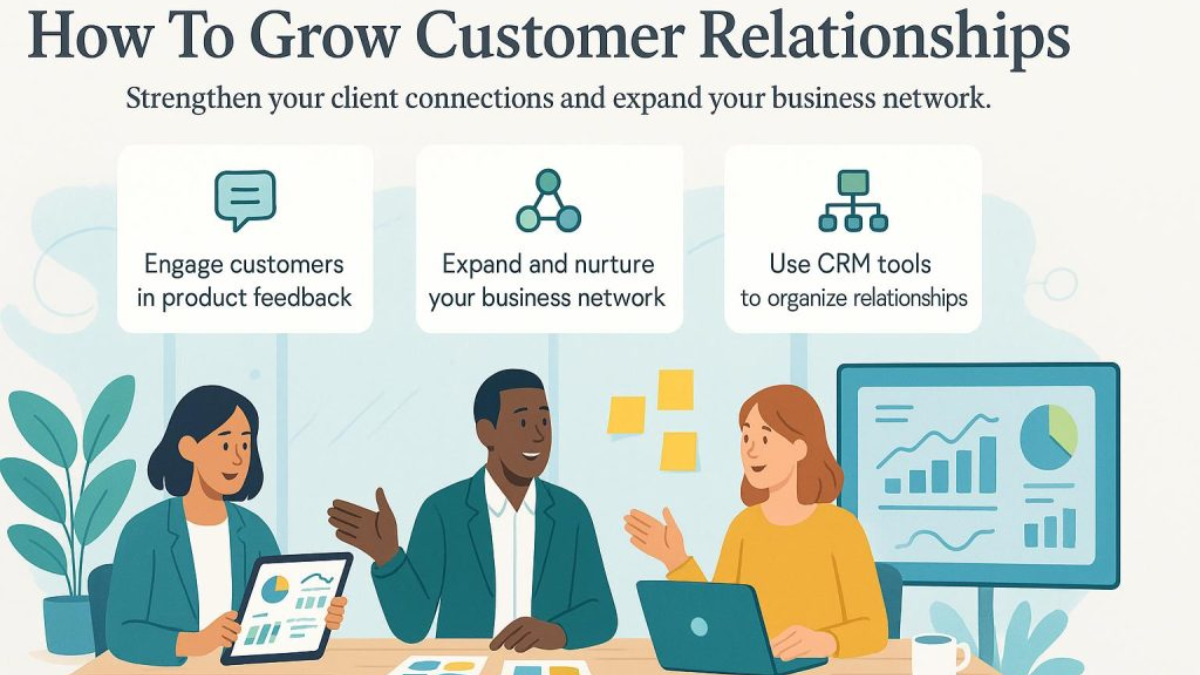
In today’s competitive market, businesses thrive not just by selling products but by building meaningful customer relationships. Managing these relationships efficiently requires the right technology — smart tools that combine automation, data insights, and personalization. Whether you’re a small business or a growing enterprise, using the right customer management tools can boost retention, increase sales, and improve customer satisfaction.
This article explores the essential smart tools for managing customer relationships and how they can drive sustained business growth.
The Importance of Customer Relationship Management
Strong customer relationships are the foundation of any successful business. Maintaining these relationships involves understanding customer needs, tracking interactions, and offering tailored experiences.
Modern tools simplify this process by:
- Centralizing customer data.
- Automating communication.
- Tracking sales opportunities.
- Providing real-time performance analytics.
Key takeaway: Smart tools make it possible to build lasting customer loyalty while streamlining business operations.
Why Smart Tools Are Essential for Businesses Today
In the digital age, customer expectations are higher than ever. They expect fast responses, personalized offers, and seamless communication across multiple channels.
Smart tools help businesses:
- Save time through automation.
- Deliver better service using data insights.
- Personalize marketing and sales efforts.
- Improve team collaboration and productivity.
Example: A company using automated email follow-ups can respond instantly to customer inquiries, improving conversion rates without increasing staff workload.
Top Smart Tools for Managing Customer Relationships
1. Customer Data Platforms (CDP)
A Customer Data Platform unifies customer information from multiple sources such as emails, websites, and social media. It helps create a 360-degree customer view for personalized marketing and support.
2. Marketing Automation Tools
Automation software allows businesses to send targeted messages, schedule campaigns, and nurture leads based on behavior and interests. This ensures the right message reaches the right customer at the right time.
3. Communication and Collaboration Tools
Integrated communication platforms (chat, email, video) allow sales and support teams to collaborate effectively. It also enables instant responses to customer inquiries, improving satisfaction.
4. Analytics and Reporting Software
Analytics tools provide insights into customer preferences, campaign performance, and buying behavior. They help identify opportunities for upselling, cross-selling, and improving marketing strategies.
5. AI-Powered Chatbots and Virtual Assistants
AI tools automate routine customer service tasks, provide 24/7 support, and assist customers instantly. They reduce operational costs while improving user experience.
Key takeaway: Using a combination of these tools ensures smoother operations, better insights, and enhanced customer engagement.
Benefits of Using Smart Customer Management Tools
Smart tools deliver several measurable benefits:
1. Improved Customer Retention
Automated reminders, follow-ups, and personalized engagement increase loyalty and repeat purchases.
2. Streamlined Operations
Automation reduces manual tasks, allowing teams to focus on high-value activities like relationship building and strategy.
3. Increased Sales and Conversions
Data-driven insights enable more accurate targeting and lead prioritization, directly impacting revenue growth.
4. Enhanced Customer Insights
Smart systems collect and analyze customer data, helping predict trends and improve decision-making.
5. Better Team Collaboration
Centralized platforms keep all departments aligned, ensuring consistent communication and unified customer experiences.
How Smart Tools Drive Business Growth
Smart tools help businesses scale sustainably by combining efficiency with customer satisfaction.
Data-Driven Decisions
With access to detailed analytics, businesses can identify which marketing channels, products, or campaigns are most effective.
Personalized Marketing
By segmenting customers based on interests and purchase history, companies can tailor promotions that appeal to individual preferences.
Faster Problem Resolution
AI-based support systems and unified communication platforms help resolve customer issues quickly, reducing churn rates.
Scalable Growth
Automation tools grow with your business, handling increased customer volumes without compromising quality.
Example: A retail brand that uses automation for email marketing and customer tracking can handle thousands of customers efficiently while maintaining personalized service.
Integrating Smart Tools Into Your Business
Implementing smart tools successfully requires a structured approach:
- Identify Your Needs: Define what problems you want to solve — better communication, improved data management, or automation.
- Choose the Right Tools: Select software that integrates easily with your existing systems.
- Train Your Team: Ensure all employees understand how to use the tools effectively.
- Measure Performance: Regularly track KPIs like customer satisfaction, retention, and sales growth.
- Adjust and Scale: Continuously optimize the tools and strategies for long-term success.
Tip: Start small with one or two tools and expand as your team gets comfortable.
Common Mistakes to Avoid
- Choosing too many tools at once.
- Ignoring staff training and adoption.
- Overlooking data security and compliance.
- Failing to track and analyze performance metrics.
Key takeaway: A thoughtful, step-by-step implementation prevents confusion and maximizes ROI.
The Future of Smart Customer Management
The future of customer management will be driven by AI, automation, and predictive analytics. Businesses that adopt these technologies early will gain a strong competitive edge.
Emerging trends include:
- Hyper-personalized marketing.
- Predictive customer behavior analysis.
- Voice and chat-based customer support.
- Real-time engagement insights.
Conclusion: Businesses that invest in smart tools today are preparing for a more efficient, customer-focused, and profitable tomorrow.