
In today’s competitive market, businesses that truly understand and meet customer expectations enjoy higher satisfaction, loyalty, and revenue. Customers are no longer satisfied with basic services—they seek personalized, timely, and seamless experiences.
This guide explores key techniques to understand and meet customer expectations, including strategies, tools, and best practices for enhancing customer satisfaction and driving long-term engagement.
Why Understanding Customer Expectations is Crucial
Understanding customer expectations is essential to:
- Deliver products and services that satisfy real needs.
- Increase customer loyalty and retention.
- Improve brand reputation and referrals.
- Reduce churn and complaints.
- Gain a competitive advantage in a crowded marketplace.
Companies that actively align their offerings with customer expectations see higher engagement, repeat business, and sustained growth.
Key Techniques to Understand Customer Expectations
1. Collect Customer Feedback
- Use surveys, polls, and feedback forms to gather opinions.
- Encourage honest reviews about products, services, and experiences.
- Regularly analyze feedback to detect trends and areas for improvement.
Example: Post-purchase surveys help identify pain points and enhance future customer experiences.
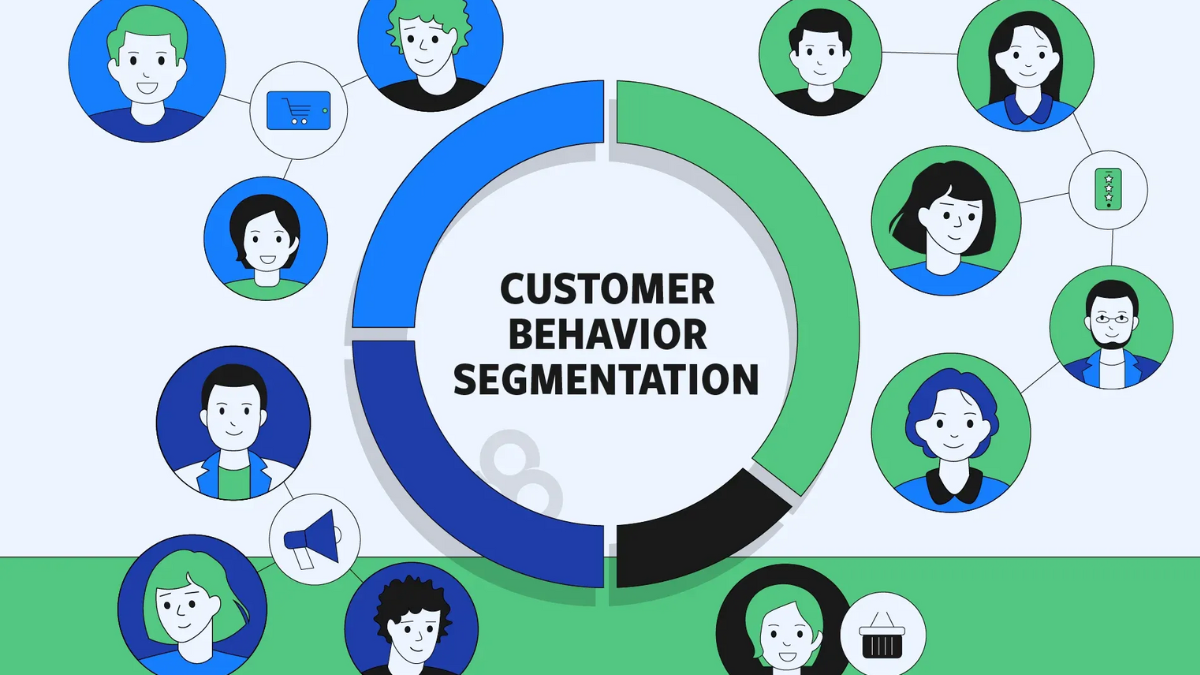
2. Monitor Customer Behavior
- Track interactions across websites, apps, social media, and in-store visits.
- Analyze browsing patterns, purchase history, and engagement levels.
- Identify customer preferences, frequently viewed products, and abandoned actions.
Example: Observing repeat purchases and time spent on product pages helps tailor recommendations.
3. Conduct Market Research
- Study industry trends, competitor offerings, and emerging customer needs.
- Segment your audience to understand demographic-specific expectations.
- Use focus groups or interviews to gather qualitative insights.
Example: Research might reveal that a target segment values eco-friendly packaging, prompting product adjustments.
4. Implement Customer Personas
- Create detailed profiles representing different customer types.
- Include demographics, buying behavior, preferences, and challenges.
- Use personas to guide marketing, sales, and service strategies.
Example: A persona for tech-savvy customers may prioritize fast digital experiences and self-service options.
5. Leverage Analytics and CRM Tools
- Use CRM systems to track customer history, preferences, and interactions.
- Analytics tools provide insights into patterns, trends, and engagement metrics.
- Combine quantitative and qualitative data to create a comprehensive understanding.
Popular Tools: Salesforce, HubSpot, Zoho CRM, Google Analytics.
6. Engage in Active Listening
- Train teams to listen attentively during interactions with customers.
- Capture verbal and non-verbal cues to understand needs and expectations.
- Encourage staff to empathize and respond proactively.
Example: Support agents noting repeated complaints about delivery delays can suggest operational improvements.
7. Monitor Social Media and Online Reviews
- Track brand mentions, comments, and ratings across social platforms.
- Address complaints promptly to prevent negative experiences from spreading.
- Analyze feedback to identify common expectations and pain points.
Example: Responding to product concerns on social media shows customers that their opinions are valued.
Techniques to Meet Customer Expectations
1. Deliver Personalized Experiences
- Use collected data to tailor communication, offers, and recommendations.
- Segment customers for targeted campaigns based on behavior or preferences.
- Ensure consistency across all channels for a seamless experience.
Example: Sending personalized emails with relevant product suggestions increases engagement and conversion.
2. Set Clear and Realistic Expectations
- Communicate product features, delivery times, and service capabilities transparently.
- Avoid overpromising to prevent disappointment and negative reviews.
- Provide updates on service or delivery progress proactively.
Example: Automated notifications about order status keep customers informed and satisfied.
3. Provide Consistent Quality
- Maintain high-quality standards in products, services, and customer interactions.
- Regularly review processes and gather feedback for continuous improvement.
- Address complaints quickly to restore confidence.
Example: Consistently accurate product descriptions and on-time deliveries build trust.
4. Train and Empower Customer-Facing Teams
- Equip staff with the knowledge and tools to address customer needs effectively.
- Encourage proactive problem-solving and decision-making authority.
- Promote empathy, patience, and professionalism in all interactions.
Example: Customer service agents empowered to issue immediate refunds enhance satisfaction.
5. Use Technology for Proactive Engagement
- Implement AI and automation to anticipate needs and provide timely solutions.
- Predict potential issues before they impact the customer experience.
- Use chatbots, CRM systems, and analytics to deliver proactive support.
Example: AI chatbots alerting customers about subscription renewals or product updates before the due date improve engagement.
6. Reward Loyalty and Positive Behavior
- Offer loyalty programs, exclusive deals, and personalized rewards to meet and exceed expectations.
- Recognize repeat customers and brand advocates.
- Use incentives to encourage desired behaviors, such as referrals or reviews.
Example: Rewarding customers with points for every purchase fosters ongoing engagement.
Measuring Success in Meeting Customer Expectations
Key Metrics
- Customer Satisfaction Score (CSAT): Measures satisfaction with products or services.
- Net Promoter Score (NPS): Evaluates the likelihood of customers recommending the brand.
- Customer Retention Rate: Indicates loyalty and repeat business.
- Customer Effort Score (CES): Assesses ease of interaction and problem resolution.
- Feedback Analysis: Tracks sentiment trends from surveys, reviews, and social media.
Regular measurement ensures techniques are effectively aligning with customer needs and expectations.
Emerging Trends for Understanding and Meeting Expectations
- AI-Powered Insights: Predict customer behavior and preferences.
- Omnichannel Experience: Ensure seamless interaction across all touchpoints.
- Real-Time Feedback Integration: Immediate adjustments based on feedback improve satisfaction.
- Hyper-Personalization: Real-time, tailored experiences based on individual behavior and preferences.
- Data Privacy and Trust: Meeting expectations while respecting privacy strengthens relationships.
Conclusion
Understanding and meeting customer expectations is vital for long-term business success. By collecting feedback, leveraging analytics, monitoring behavior, and using technology, businesses can anticipate needs, deliver personalized experiences, and foster loyalty.
In 2025, companies that actively align their products, services, and interactions with customer expectations will enjoy higher engagement, repeat business, and a competitive advantage. Smart strategies, combined with empathy and digital tools, ensure customers feel valued and satisfied throughout their journey.